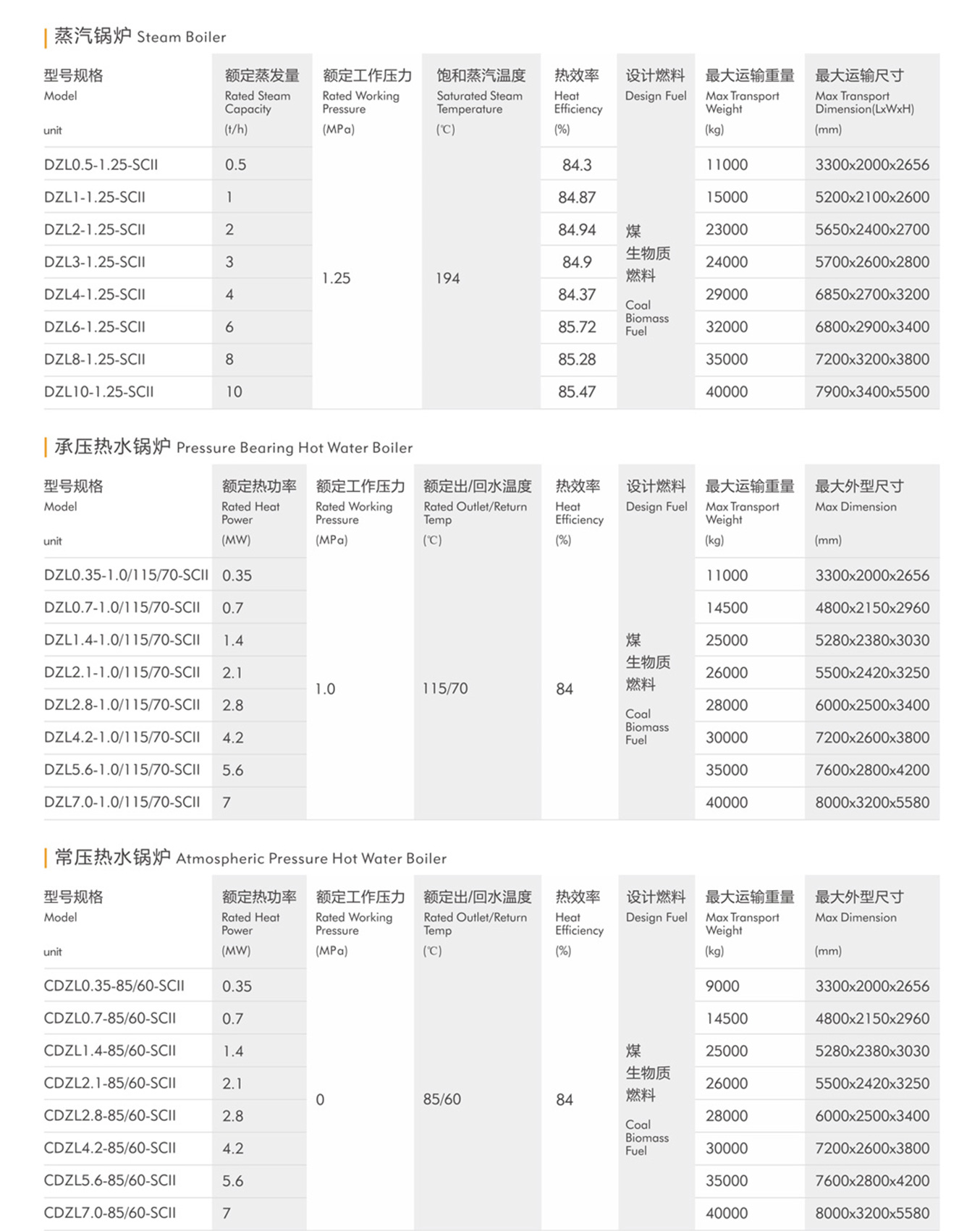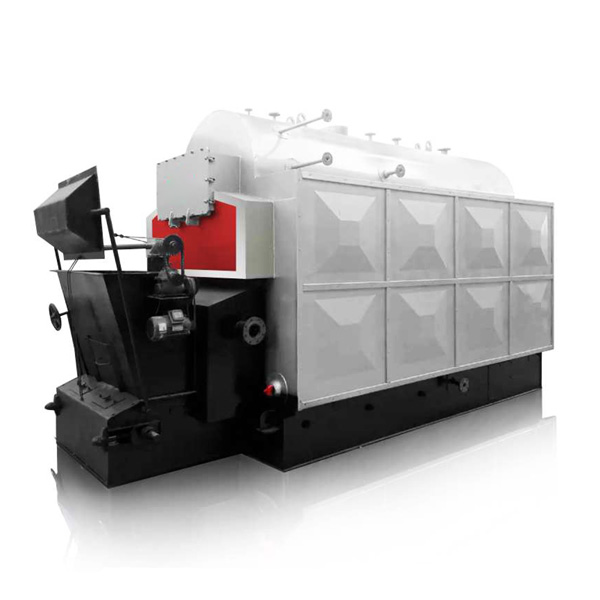
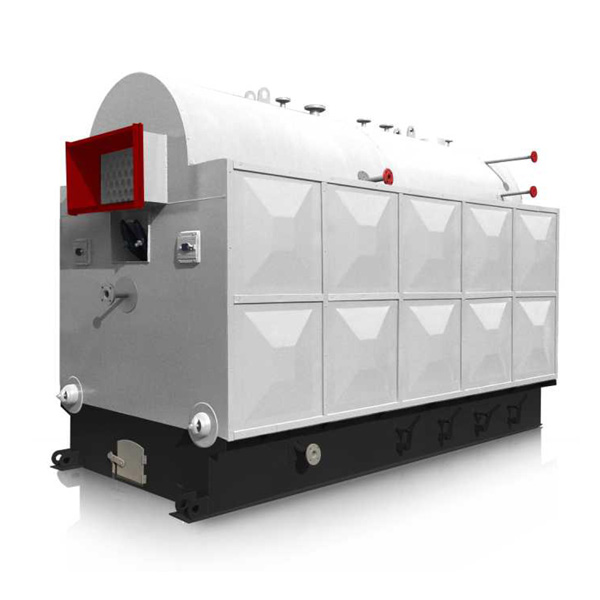
Coal fired/biomass steam boiler
Coal/Biomass Steam Boilers
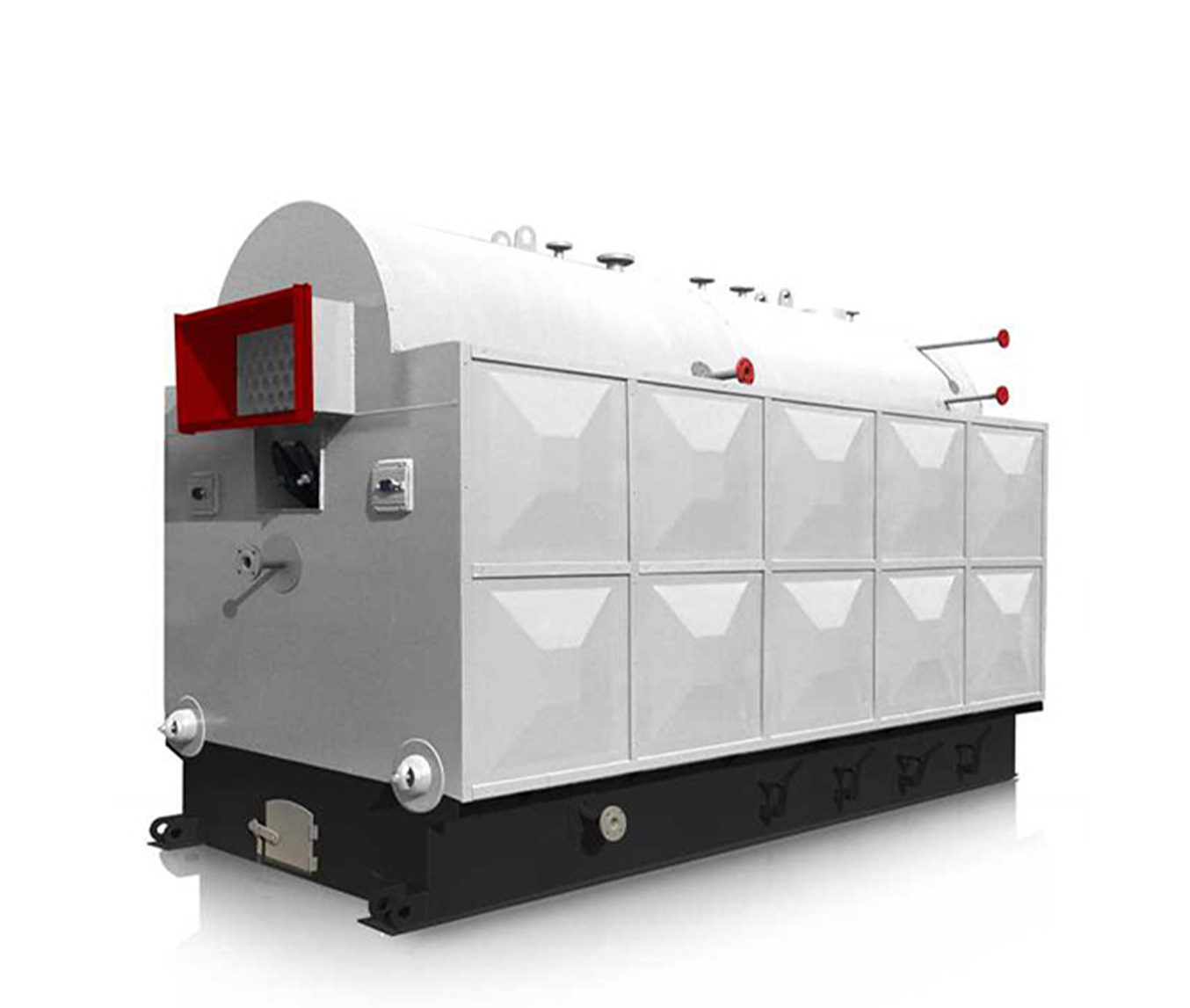
A biomass steam boiler is a device that uses renewable energy sources such as biomass pellets, wood blocks, straw, or rice husks as fuel to generate steam by heating water through combustion. It is a key equipment for achieving the transition to "carbon neutrality" and "renewable energy" in industrial heating, perfectly aligning with global environmental trends and energy strategies.
1. Core Working Principle
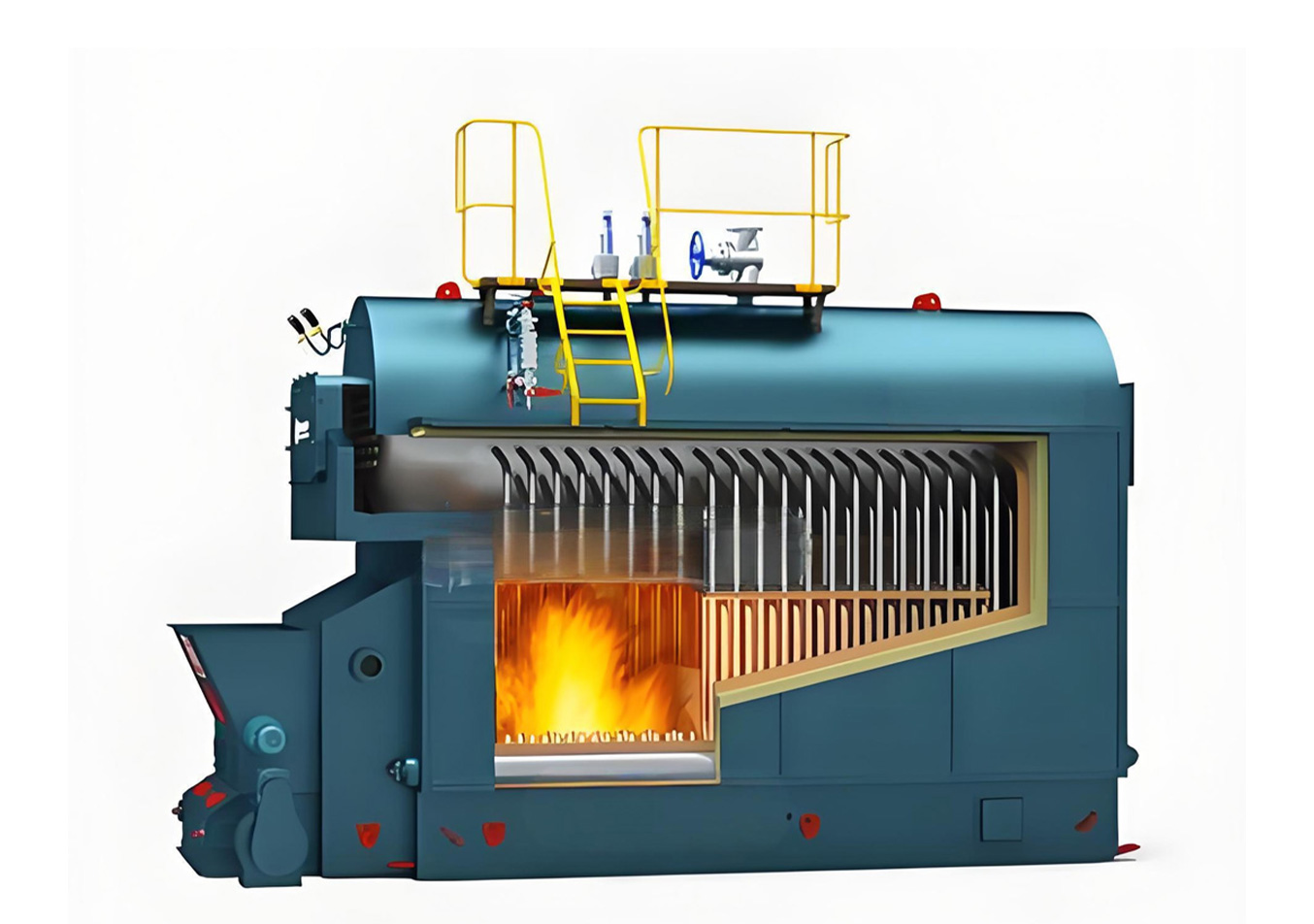
The core working principle of a biomass steam boiler is similar to that of a traditional coal-fired boiler, but with fundamental differences in fuel and combustion technology. It follows the path of biomass energy → thermal energy → steam energy.
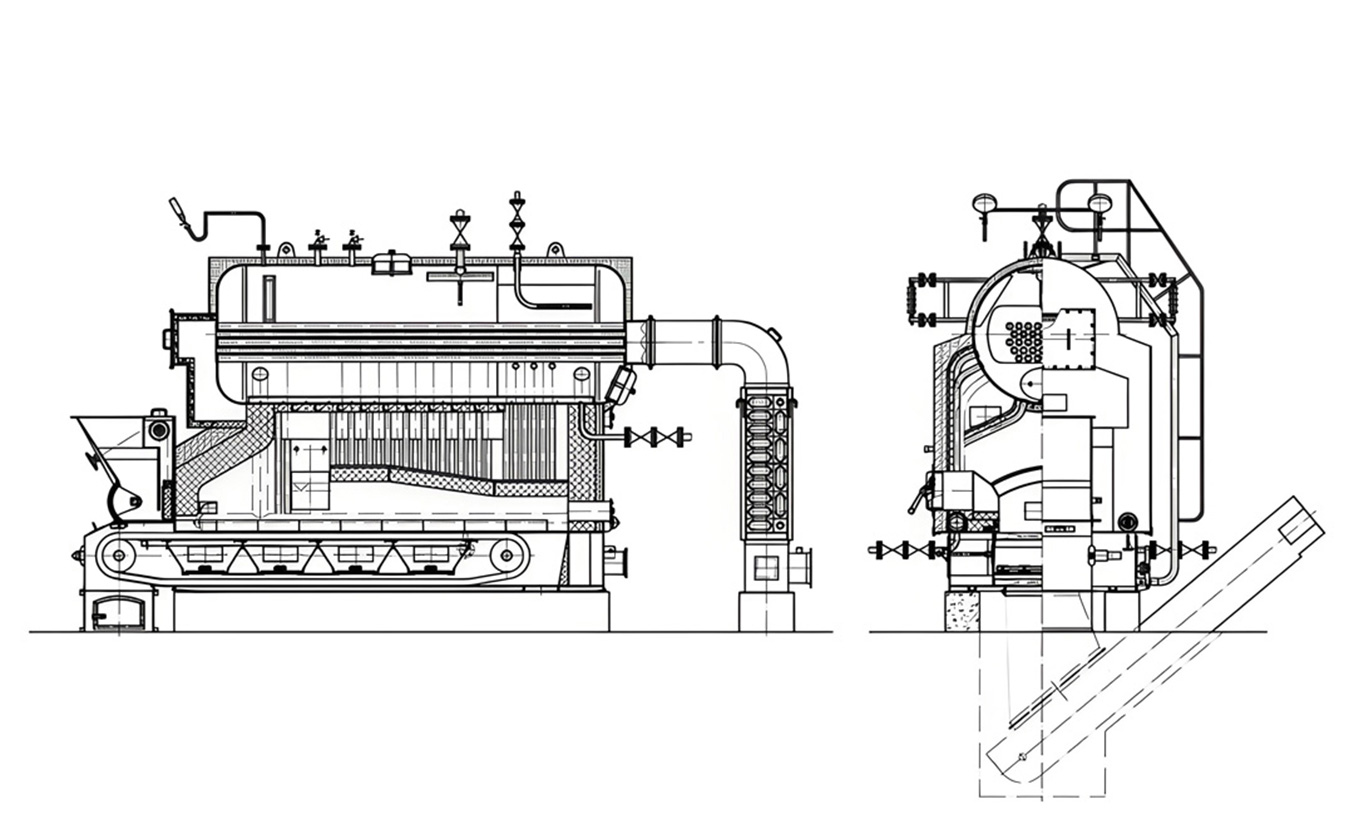
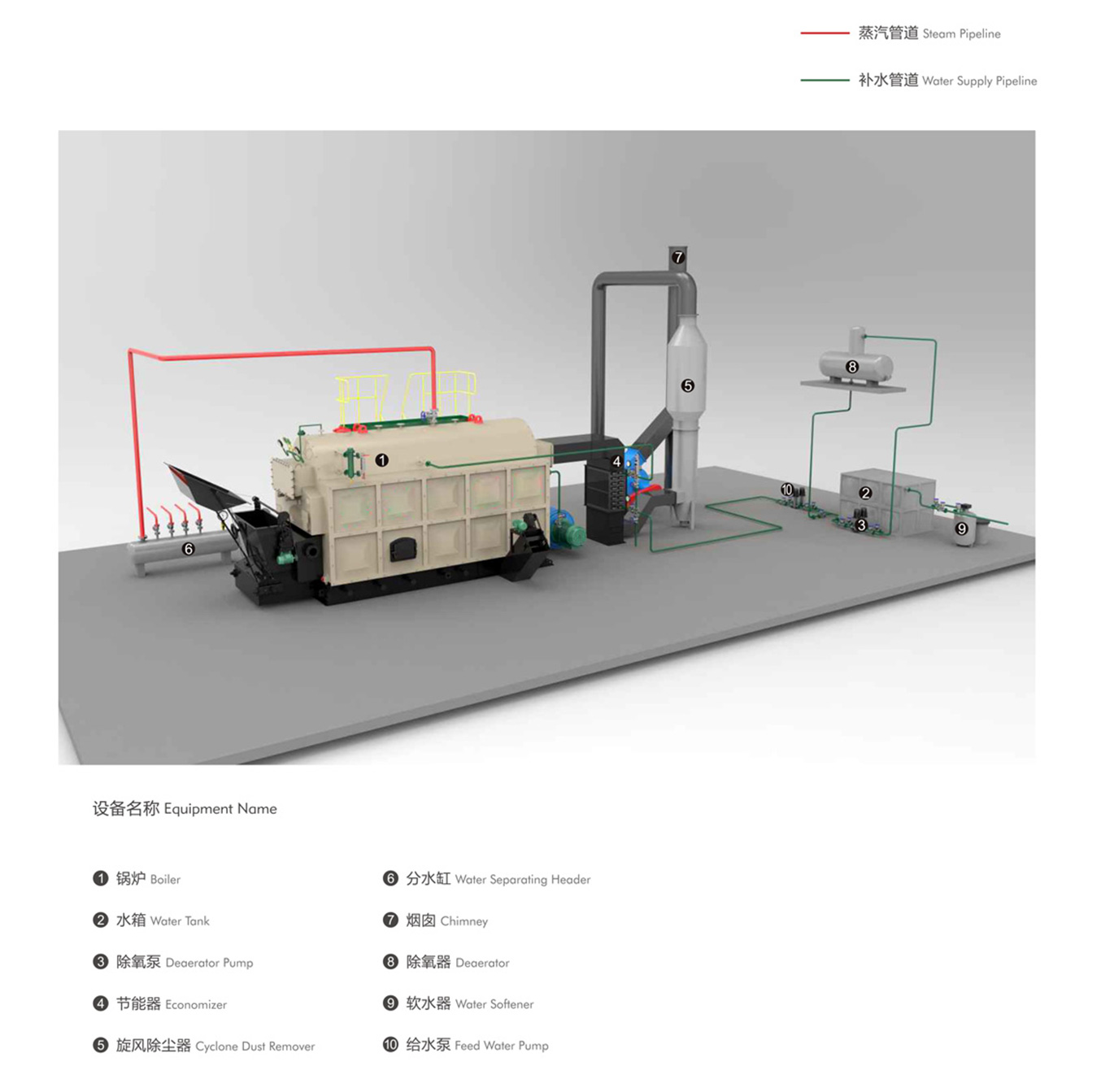
Fuel Feeding System: Biomass fuel is delivered to the combustion chamber (furnace) via automatic feeding systems such as screw conveyors, belt conveyors, or bucket elevators.
Efficient Combustion System:
Grate Firing: Fuel burns on a grate, with primary air supplied from below. Suitable for solid fuels like pellets and blocks.
Suspension Firing: Pulverized fuel is injected into the furnace and burned in suspension, suitable for powdered fuels like rice husks and sawdust.
Modern boilers often use hybrid combustion technology to ensure complete fuel combustion, reducing smoke and incomplete combustion losses.
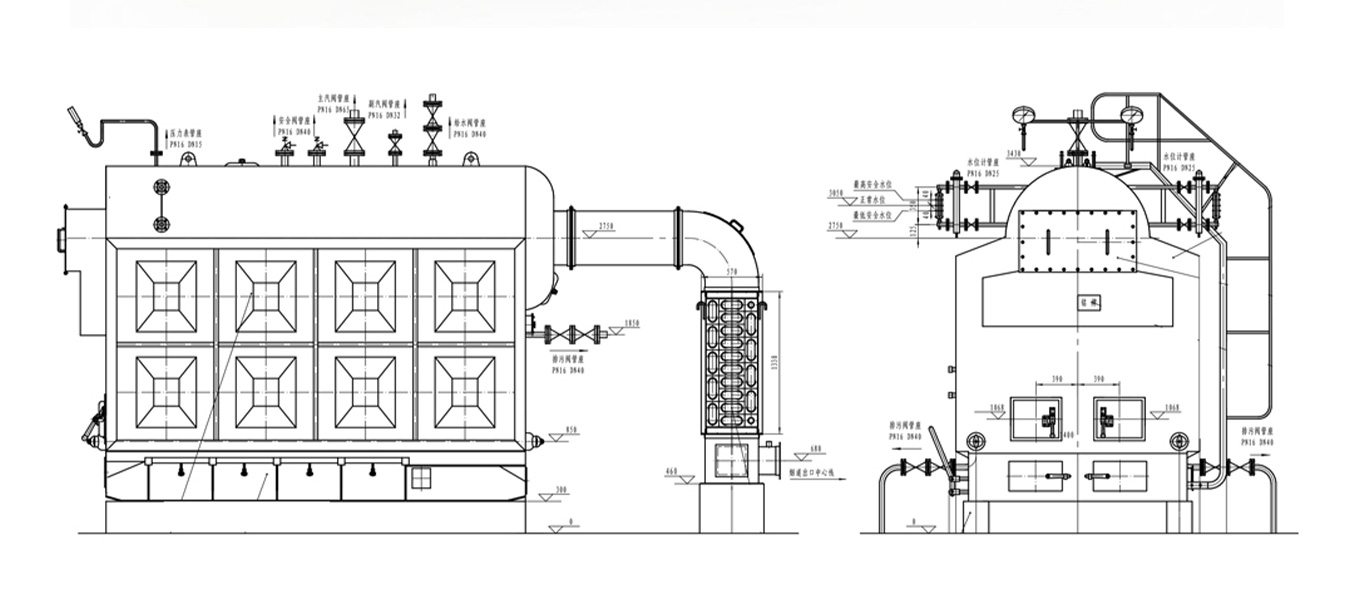
Heat Transfer and Steam Generation: High-temperature flue gas generated by combustion passes over heating surfaces (furnace water walls, smoke tubes, convection tubes, etc.), transferring heat to the water in the drum. The water is heated and vaporized to produce steam.
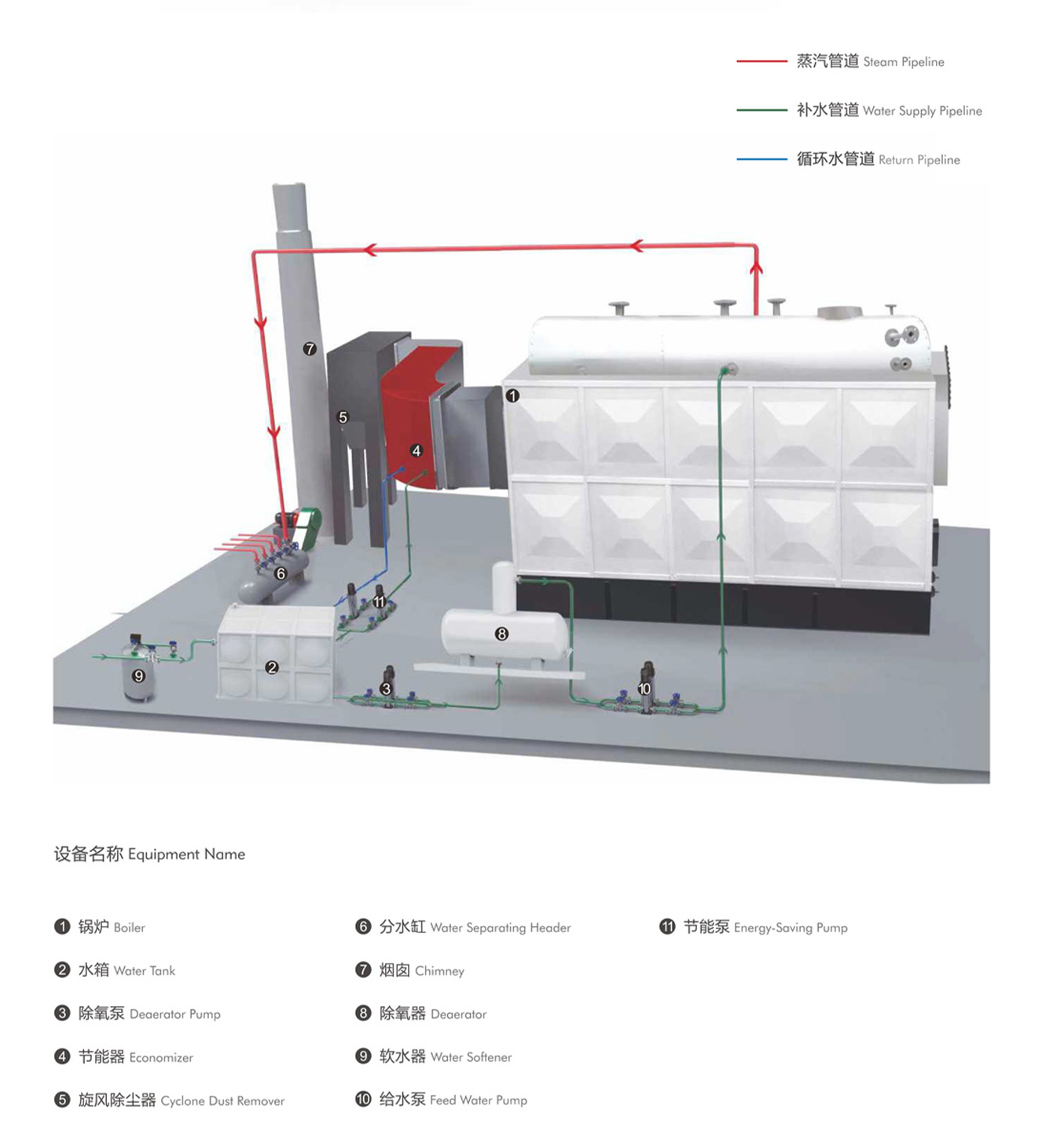
Flue Gas Treatment and Emission: The cooled flue gas passes through dust collectors (e.g., cyclone separators, bag filters) and desulfurization/denitrification equipment (if required) before being discharged through a chimney via an induced draft fan, meeting emission standards.
Automated Control: A PLC control system automatically adjusts fuel feeding, air supply, and induced draft based on steam pressure or temperature to achieve optimal combustion.
2. Key Features and Advantages
Environmentally Friendly and Renewable, Carbon Neutral:
This is its core advantage. The CO2 absorbed by biomass during growth roughly equals the CO2 released during combustion, creating a carbon-neutral cycle with almost no additional greenhouse gas emissions.
Compared to coal, biomass has significantly lower sulfur and nitrogen content, reducing pollutant emissions and making it easier to meet environmental standards.
Economical Operating Costs:
Biomass fuel (especially locally sourced agricultural and forestry waste) is typically much cheaper than natural gas, diesel, or electricity, reducing operating costs by 30%-50% or more.
Policy Support and Subsidies:
National and local governments often offer subsidies, tax exemptions, or preferential policies for biomass energy projects, further reducing investment and operational costs.
Mature Technology and Strong Adaptability:
Boiler technology has evolved from coal-fired boilers and is highly mature. It can be newly built or retrofitted from existing coal-fired boilers, saving initial investment.
High Level of Automation:
Modern biomass steam boilers enable automatic feeding, automatic ash removal, and automatic control, significantly reducing labor intensity.
3. Main Application Areas
Biomass steam boilers are widely used in industries requiring stable steam supply and cost sensitivity, particularly in regions with abundant biomass resources:
Industrial Processing: Food factories (drying, sterilization, cooking), breweries, paper mills, chemical plants, textile printing and dyeing factories, rubber plants (vulcanization), building material factories (curing).
Agricultural Processing: Grain drying, tobacco curing, tea processing, edible fungus production.
Centralized Heating: Provides heating and domestic hot water for industrial parks, schools, hospitals, and residential communities.
Power Generation: Serves as a boiler in combined heat and power (CHP) projects to drive steam turbines for electricity generation.
4. Potential Challenges and Disadvantages
High Initial Investment:
The boiler itself, automated feeding systems, dust removal systems, and large fuel storage facilities result in higher initial costs compared to coal-fired boilers of similar specifications.
Fuel Storage and Supply Issues:
Biomass fuel has low density and large volume, requiring significant dry storage space.
Unstable moisture content, composition, and size of the fuel can severely affect combustion efficiency and boiler stability. A reliable fuel supply chain is essential.
Ash Deposition and Corrosion:
Biomass fuel (especially straw) has high alkali metal content, leading to slagging, ash deposition, and corrosion on heating surfaces, reducing heat transfer efficiency and lifespan. Regular shutdowns for cleaning are necessary.
Emission Treatment Still Required:
Although cleaner than coal, biomass combustion still produces dust, and some fuels (e.g., straw) may cause chlorine corrosion and NOx issues. Dust removal and even denitrification equipment are needed to meet the strictest environmental standards.
Not Absolutely "Zero Emission":
Energy consumption and potential emissions during fuel collection, transportation, and processing must be considered from a full lifecycle perspective.
6. Selection and Usage Guidelines
Fuel Feasibility Analysis:
This is the first step determining project success! Conduct detailed research on local biomass resources, including type, yield, price, stability, and ensure moisture content and composition meet boiler design requirements.
Boiler Selection:
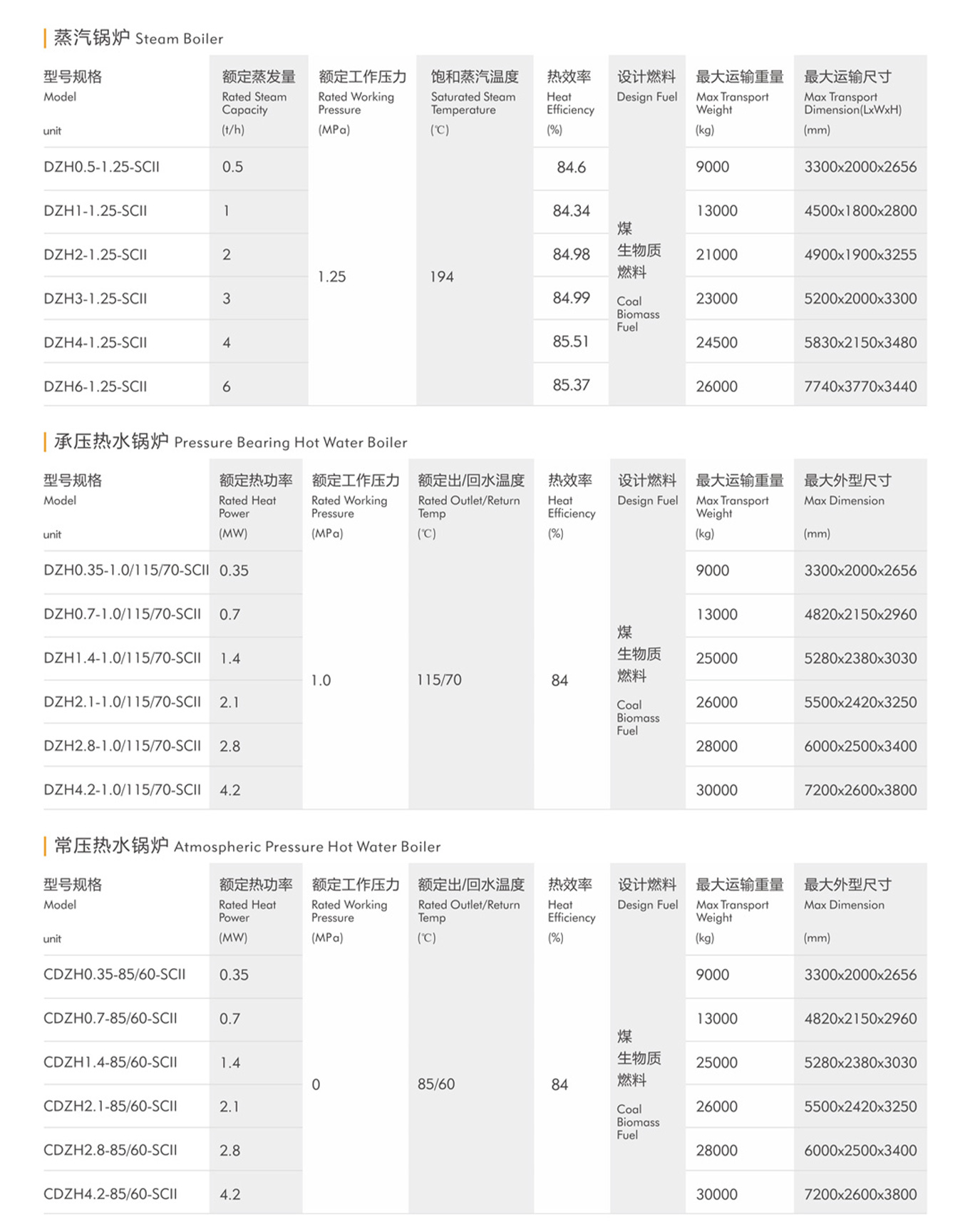
Evaporation Capacity (t/h) & Working Pressure (MPa): Select based on maximum steam demand and highest usage pressure, with a margin.
Boiler Structure: Choose a design specifically tailored for biomass fuel (e.g.,furnace structure, sufficient radiant heating surface) rather than a simple retrofit of a coal-fired boiler.
Combustion Method: Select the appropriate grate and feeding method based on fuel form (pellets, blocks,).
Auxiliary System Configuration:
Feeding System: Ensure compatibility with fuel characteristics to avoid bridging and clogging.
Dust Removal System: Must include efficient dust collectors (bag filters are preferred) to ensure smoke and dust emissions meet standards.
Air and Flue Gas System: Biomass fuel requires more combustion air than coal; fan selection must be accurate.
Safety and Compliance:
Steam boilers are classified as special equipment (pressure vessels). Their design, manufacturing, installation, and use must comply with regulations, and a usage registration certificate is required.
Installation must meet fire safety standards, particularly for fuel storage facilities.
Operation and Maintenance:
Establish strict fuel management protocols to ensure stable fuel quality.
Develop regular ash and slag removal schedules to maintain heating surface cleanliness, ensuring efficiency and safety.
Summary
Biomass steam boilers represent an excellent combination of economy, environmental benefits, and social value. While not perfect, their significant advantages in utilizing renewable energy, processing agricultural and forestry waste, and reducing carbon emissions make them a vital component of national energy strategies.
They are most suitable for:
Industrial enterprises with stable and cheap local biomass resources.
Users facing environmental pressure to phase out coal-fired boilers but unable to afford high natural gas or electricity costs.
Projects seeking government subsidies and preferential policies for renewable energy.
Before making a decision, conduct thorough fuel research and full lifecycle cost analysis. Choose boiler manufacturers with strong technical expertise and reliable after-sales service to ensure long-term stable operation and maximize value.